
The fear that keeps you in pain
When a specialist looks at your scans and recommends an operation to relieve your chronic back pain, your mind rarely focuses on the clinical benefits. Instead, it instantly encounters your deepest anxieties.
You ask yourself, is lumbar spine surgery safe? You might worry about the risk of permanent nerve damage or imagine a future where you lose your physical independence completely.
This deep terror is entirely natural. The lower back feels like the structural anchor of your entire body, and the thought of an intervention there is incredibly intimidating. This fear is the primary reason many people choose to live on high doses of daily painkillers rather than exploring permanent solutions.
Living in fear does not heal a structural blockage. Let us put aside outdated medical rumors and examine the factual safety standards of modern spine care.
How modern technology protects your nerves
Many of the alarming stories shared by friends or found online originate from procedures performed decades ago. In the past, spine surgery relied primarily on a surgeon’s manual experience and basic direct sight.
Today, the landscape of lumbar spine surgery safety has been entirely transformed by advanced digital engineering. Specialists no longer work in the dark.
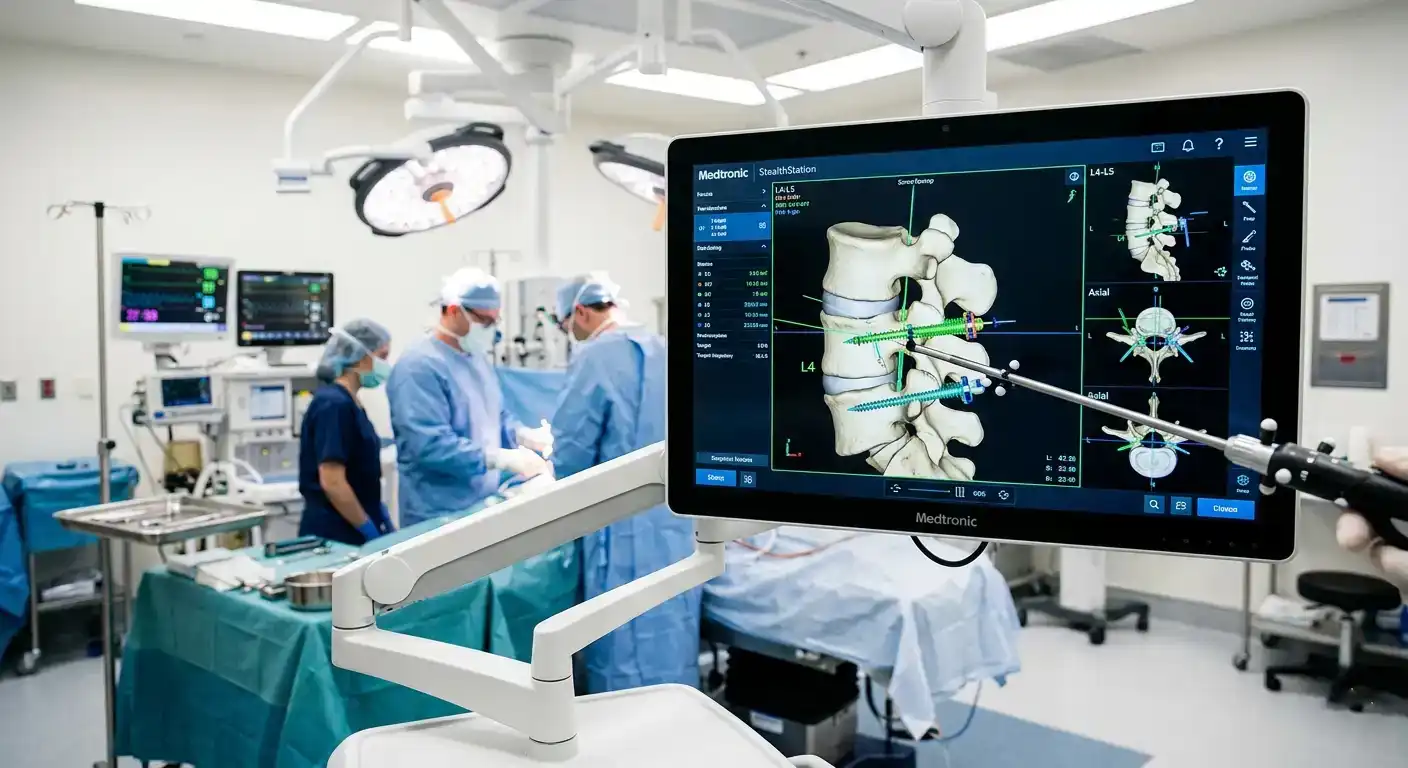
Surgeons now operate using high-powered surgical microscopes and real-time computer navigation systems. These tools create a highly accurate, three-dimensional digital roadmap of your exact anatomy during the procedure.
Additionally, continuous intraoperative neurophysiological monitoring acts as a constant safety guard. Tiny sensors track the electrical signals flowing to your leg muscles every single millisecond.
If a nerve experiences even a minor disturbance, the monitoring console alerts the surgical team instantly. This technology ensures that modern interventions are performed with exceptional precision, drastically reducing the risk of unexpected neurological complications.
Moving safely on day one
Another widespread fear is that a lower back operation will leave you bedridden for months, dependent on your family for basic needs.
Modern surgical approaches prioritize muscle preservation. By utilizing advanced access systems, specialists can reach the problem area with minimal disruption to the heavy lifting muscles of your back.
This preservation means your structural framework remains secure. A typical modern spine surgery recovery emphasizes early mobility rather than prolonged rest.
Most patients are safely assisted to stand up and take their first steps with a physical therapist on the very same evening or the morning after their procedure. You can sit up, eat comfortably, and walk independently to the bathroom within twenty-four hours of your operation.
Taking a calculated step forward
Avoiding a necessary procedure out of pure anxiety can sometimes lead to irreversible consequences. When a nerve root is severely compressed for a long period, the lack of blood supply can cause permanent weakness in your foot or leg.
If you are exploring advanced care options, consider looking into minimally invasive lumbar spine surgery mumbai.
These precise keyhole approaches allow specialists to clear nerve blockages through tiny corridors, minimizing post-operative discomfort and accelerating your return to daily activities. Discuss these advanced options openly with your medical team.
An operation is never the first line of care, but when conservative options have been exhausted, it is a highly predictable tool to restore your quality of life. Base your choices on modern data and technological safeguards rather than old anxieties. You deserve a clear path back to a comfortable, active life.