
Abstract
Mobile phones that we carry in our pockets serve not only as telecommunication devices but also as a wallet, bank, knowledge repository, fitness tracker, source of entertainment, and workplace. Smartphones and digital technologies are transforming spine surgery by improving perioperative care, clinical workflow, patient engagement, and data collection. Surgeons now leverage applications (apps) and technology for education and preoperative planning, intraoperative navigation, postoperative monitoring, and patient rehabilitation. Patients benefit from enhanced remote monitoring, rehabilitation, communication, and tracking through innovative apps. This article reviews current advancements, including smartphone-based measurement tools, patient-centric rehabilitation platforms, and educational apps for trainees, with emphasis on utility, impact, efficacy, and future directions for technology integration in routine practice. The review also outlines medico-legal considerations, barriers to adoption, and future directions, with emphasis on implementation within the healthcare context.
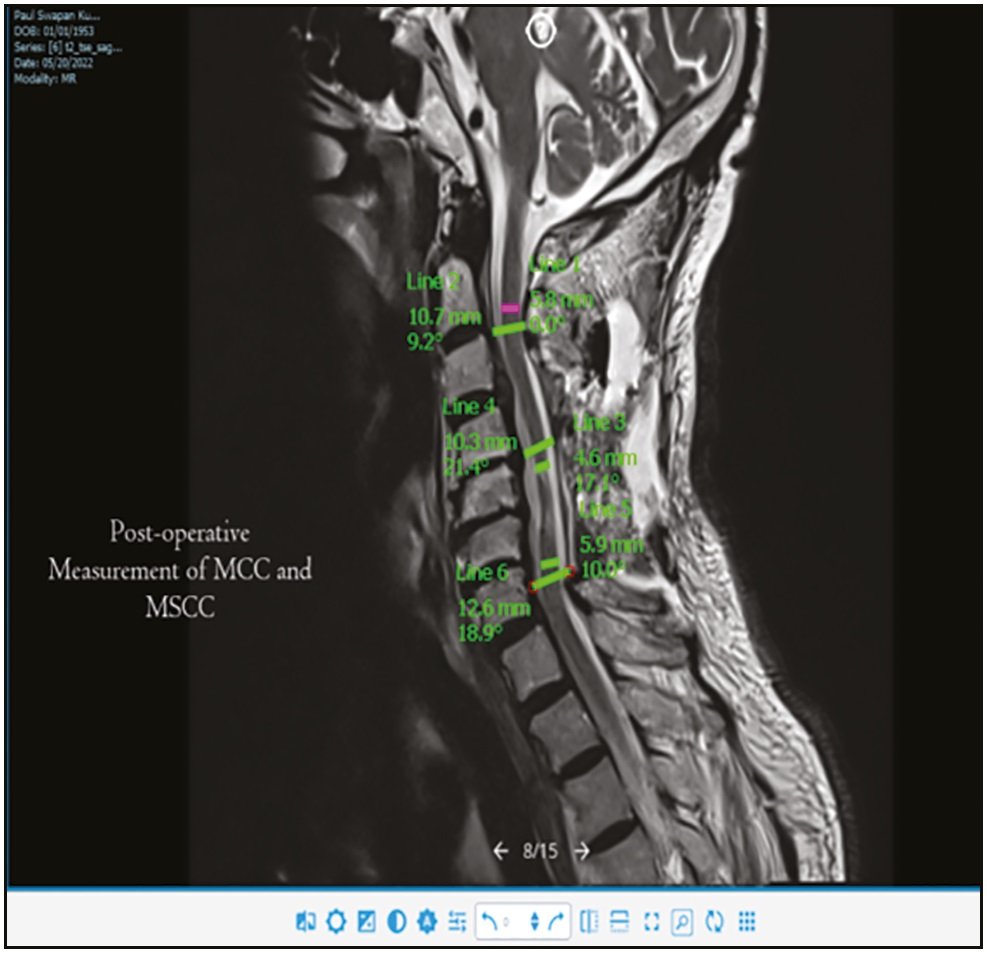
Figure 1: Use of Surgimap software to calculate spinal canal parameters in an operated case of cervical laminectomy
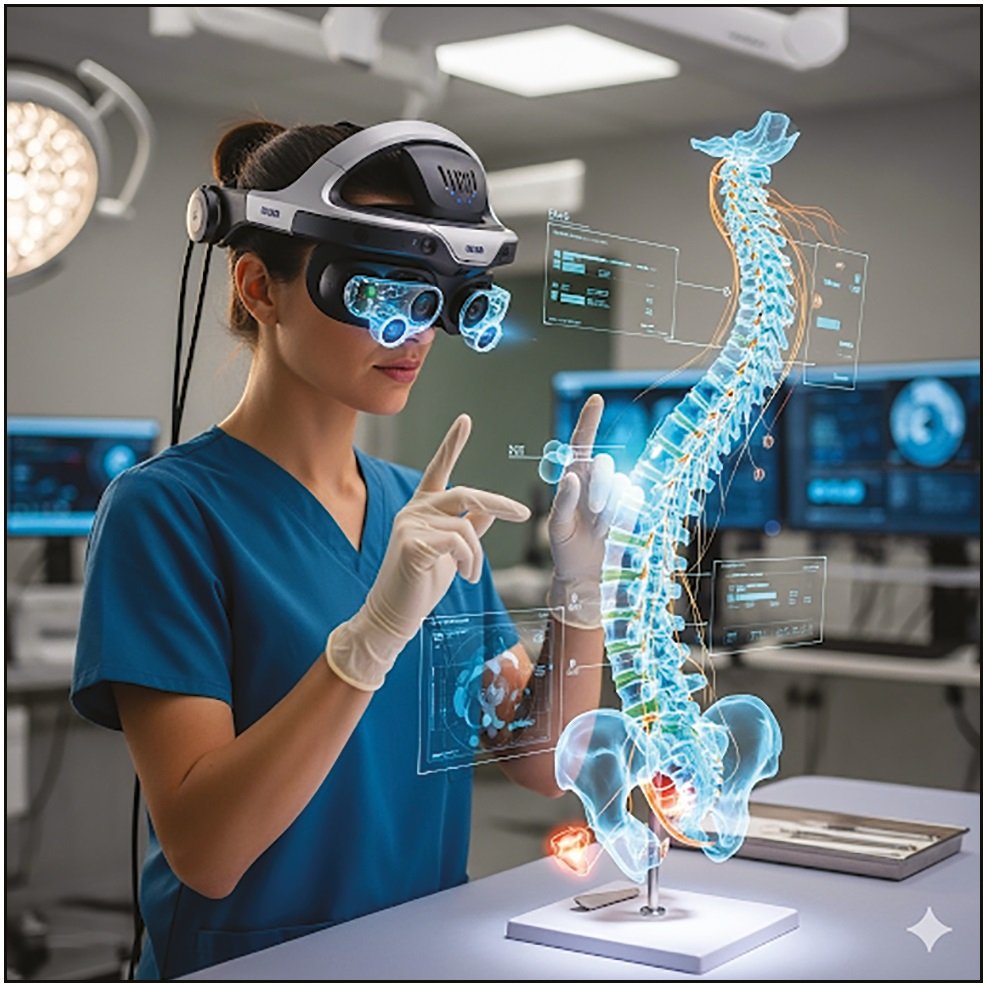
Figure 2: Use of augmented reality/virtual reality in spine education and teaching (Source: Google Gemini)