The shrinking walking distance
You decide to go for an evening walk at a local park or visit a nearby market. After walking just one hundred meters, a strange, heavy ache creeps into both of your calves.
Your legs feel weak, numb, and unusually heavy, as if they are turning to stone. You look around for a bench or a step to sit down on for a moment.
The moment you sit down and lean forward, the heavy ache vanishes completely within a minute or two. Your legs feel normal again, and you stand up to continue your walk.
Within the next hundred meters, the exact same heavy sensation returns, forcing you to stop once more. This frustrating pattern is not a sign of poor circulation or simple old age. It is the classic signature of a narrow spinal canal.
The physics of the shopping cart sign
To understand your spinal stenosis symptoms, it helps to look at the central corridor of your lower back. This space is called the spinal canal, and it functions as the main protective tunnel for the nerves traveling down to your legs.
As the spine matures over decades, natural wear and tear can cause the surrounding ligaments to thicken. The nearby joints can grow slightly larger, creating smooth edges of extra bone.
This accumulation of extra tissue gradually reduces the available space inside the protective tunnel. This narrowing is what specialists call spinal stenosis.
When you stand up straight or walk, your spine naturally arches backward, which tightens the tunnel even further and pinches the nerves. This mechanical pinch cuts off the blood supply to the active nerves, creating a heavy ache known as neurogenic claudication.
When you sit down or lean forward, your spine rounds out, which opens up the tunnel and instantly restores normal blood flow to your legs. This is why many patients feel perfectly fine when pushing a grocery cart or riding a bicycle, as leaning forward creates temporary physical space for the nerves.
Managing stenosis in daily life
Living with a narrow spinal canal can drastically shrink your daily world, making you dependent on others for simple chores.
Finding an effective lumbar canal stenosis treatment in Mumbai focuses first on expanding your comfortable walking distance without risking injury.
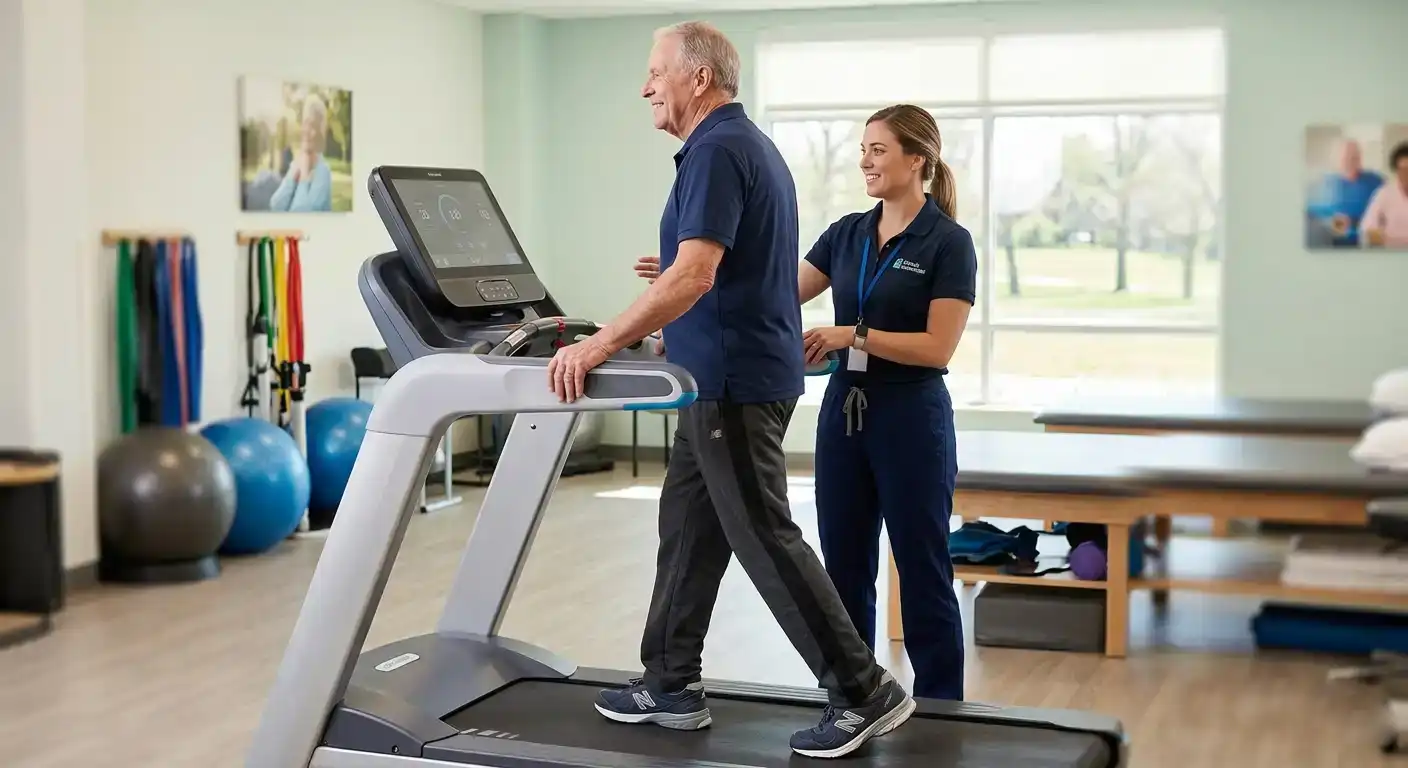
Conservative management begins by altering how you position your body during daily tasks. A specialized therapist can teach you specific core exercises that help keep your pelvis tilted slightly backward, mimicking the space-creating effect of leaning forward.
Avoid standing still in one spot for long periods, as this keeps your spinal tunnel tightly compressed.
Sit on chairs that allow you to lean slightly forward comfortably when your legs begin to ache.
Choose low-impact exercises like stationary cycling, which keeps your legs strong without crowding your nerves.
Sleep on your side with your knees curled up slightly toward your chest to maximize spinal space during the night.
Restoring your independent mobility
When conservative habits and targeted strategies no longer allow you to complete your essential daily routines, you do not have to accept a sedentary life. You have access to reliable clinical solutions.
You can learn basic physical protocols to relieve back pain at home to manage daily flare-ups and maintain joint flexibility. These home routines help keep your supporting muscles active and reduce localized joint stiffness.
If your walking distance continues to decline despite your best efforts, it is wise to consult a dedicated specialist to explore your structural options.
Many modern procedures can gently widen the narrowed tunnel using micro-instruments, avoiding the broad tissue damage of older surgical methods. Asking an expert if lower back surgery is safe, can help you understand the advanced safety measures used to protect your independence.
A narrow canal is a physical roadblock, but modern medicine provides clear, predictable paths to clear the channel and get you back on your feet.
Disclaimer: This content is for informational purposes only and does not substitute for professional medical advice, diagnosis, or treatment.