When a bone steps out of line
You bend backward to stretch your back, and you feel a sharp, mechanical catch in your lower spine. Standing still in one place for more than ten minutes causes a deep, structural ache across your waist line.
You might notice that your hamstring muscles at the back of your thighs feel permanently tight, no matter how much you stretch them. When you look at your X-ray report, you find a term that sounds incredibly complex: Spondylolisthesis.
It is alarming to hear that a bone in your spine has altered its position. Your mind might instantly jump to images of severe instability or permanent damage. Let us clear away the technical confusion and look at how the body adapts to this structural change.
The mechanics of a spinal slip
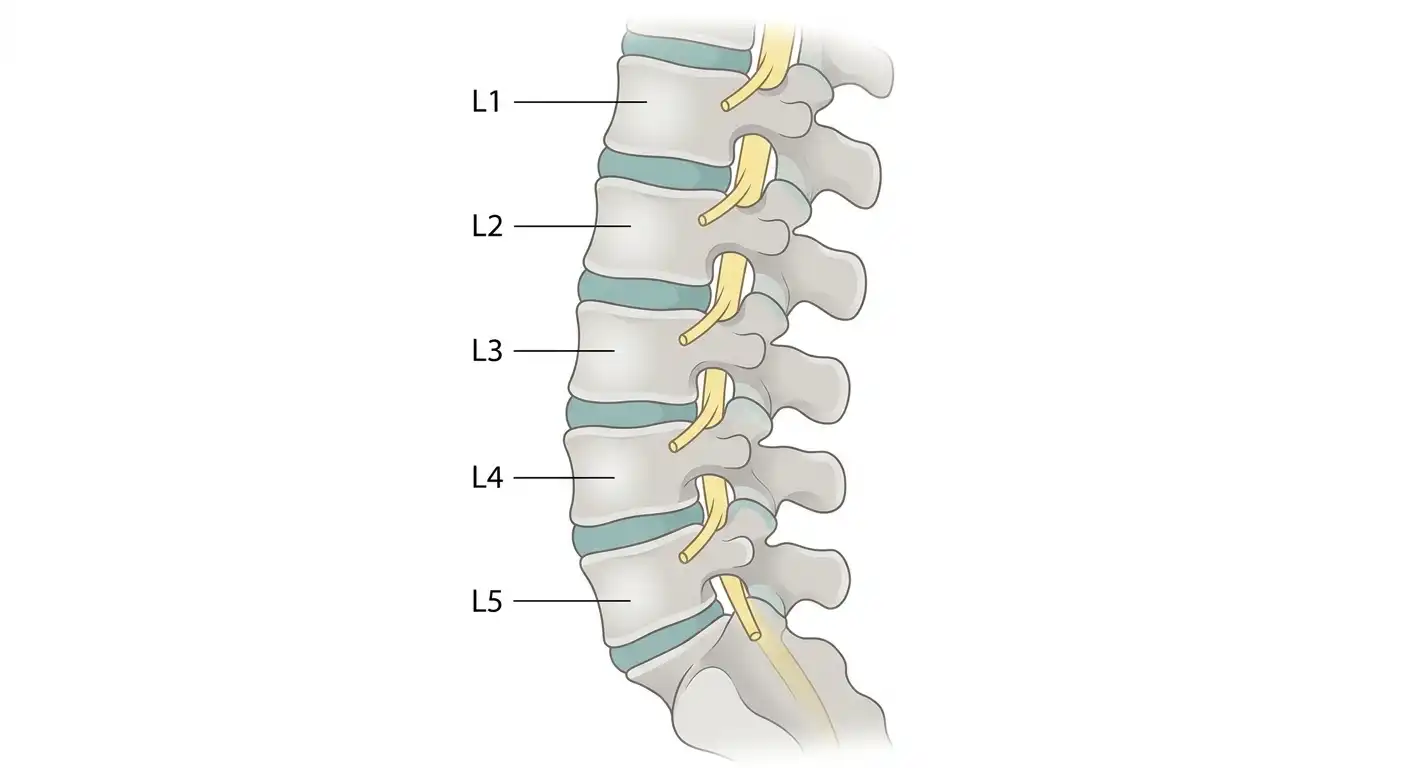
Your spine is a beautifully aligned tower of bones held together by small interlocking joints and strong ligaments. These joints act like tiny doorstops, preventing the bones from sliding out of place.
In some individuals, the small bridge of bone supporting these joints can develop a tiny stress fracture during youth, or the joints can experience wear as they mature. When this support weakens, one vertebra can gradually slide forward over the bone beneath it. This structural shift is what doctors call spondylolisthesis.
This forward slip alters the mechanical balance of your lower back. Your body responds by tightening your hamstring and lower back muscles to try and hold the spine steady. This continuous muscular overwork is the true cause of the stiff, heavy ache you feel during daily tasks, rather than a sudden structural failure.
Restoring stability without an operation
The discovery of a slip does not mean you are headed toward a major intervention. The human body is remarkably efficient at creating its own internal support network.
A successful plan for spondylolisthesis non surgical treatment focuses entirely on building a muscular shield around the slip. You cannot pull the bone back into its original position with exercise, but you can stop it from moving further.
The foundation of your recovery relies on targeted core stabilization. By strengthening your deep abdominal and gluteal muscles, you create a natural corset that lifts the weight of your torso off the slipped joint. This muscular splint provides lasting lumbar spine stability and allows your inflamed joints to calm down completely.
Safe habits for daily protection
Rebuilding a stable spine requires changing how you move during your daily routine. Random stretches or aggressive gym workouts can often increase the mechanical strain on the slipped joint.
First, avoid hyperextension. Do not perform exercises that force your lower back to arch deeply backward, such as certain yoga postures or heavy overhead lifting. Arching backward compresses the slipped joint and can worsen your spondylolisthesis symptoms.
Second, focus on slipped vertebra exercises that keep your spine in a neutral position. Practice tilting your pelvis slightly backward to open up the spaces around your nerves and unload the joint.
Tighten your stomach muscles gently before lifting light objects or standing up from a chair.
Sit with your hips pushed all the way back in your seat, using a small lumbar roll for support.
Choose low-impact activities like walking on flat tracks to keep your leg muscles active without jarring your spine.
Avoid heavy hamstring stretching, as this tightness is your body’s natural defensive mechanism to protect the slip.
Knowing when to evaluate your options
The vast majority of people live active, pain-free lives with stable structural slips. However, a small percentage of cases can experience progressive movement over time.
If your mechanical back pain is accompanied by a severe shooting pain down both legs when you walk, your nerves may be running out of physical space.
If conservative management fails to improve your walking distance after several months, it is wise to consult a specialist. In cases of progressive structural instability, modern solutions like lumbar spine fusion surgery can be utilized to permanently secure the bones and provide definitive relief. Partner with a dedicated professional to monitor your progress and keep your spine moving safely.